Happy Bean Plant Care: Tips and Tricks for a Healthy Harvest
Are you looking to grow healthy and happy bean plants in your garden? If so, you're in the right place! In this article, we'll cover everything you need to know about happy bean plant care. From planting to fertilizing, from watering to harvesting, we've got you covered. So, sit tight, grab a pen and paper, and let's get ed!
Bean plants are one of the easiest and most rewarding plants to grow in your garden. They come in many varieties, including snap beans, pole beans, and bush beans. Not only are they delicious, but they are also packed with nutrients like fiber, protein, and vitamins.
The key to growing happy and healthy bean plants is to provide them with the right environment and care. This includes soil quality, watering, fertilizing, pruning, and pest control. By following these tips and tricks, you'll be on your way to a bountiful harvest in no time.
1. Choosing the Right Soil
The first step in happy bean plant care is choosing the right soil. Bean plants prefer well-draining soil that is rich in organic matter. A pH level between 6.0 and 7.0 is ideal for most bean varieties.
If your soil is too acidic, you can add lime to raise the pH level. If it's too alkaline, you can add sulfur to lower the pH level. Adding compost or aged manure to your soil will also help improve its quality and fertility.
2. Planting
When it comes to planting bean seeds, timing is key. Bean plants prefer warm soil, so it's best to wait until after the last frost before planting. Depending on your location, this could be anywhere from late spring to early summer.
To plant your seeds, dig a hole that is about 1 inch deep and drop in a seed. Space your seeds about 3 inches apart, and cover them with soil. Water your seeds gently to help them settle into the soil.
3. Watering
Watering your bean plants is critical for their growth and health. Bean plants require about 1 inch of water per week, either through rainfall or irrigation. It's best to water your bean plants deeply and infrequently rather than shallowly and frequently.
To avoid overwatering, make sure your soil has good drainage. You can also add mulch around your plants to help retain moisture and prevent weeds from growing.
4. Fertilizing
Fertilizing your bean plants will help promote healthy growth and a bountiful harvest. Before planting, you can add a slow-release fertilizer to your soil to provide nutrients throughout the growing season.
Once your plants have ed to grow, you can also feed them with a balanced fertilizer every 4-6 weeks. Be careful not to over-fertilize, as this can cause your plants to produce more leaves than beans.
5. Pruning
Pruning your bean plants will help promote air circulation and prevent disease. To prune your plants, remove any dead or yellowing leaves, as well as any branches that are touching the ground. You can also pinch off the tips of your plants to encourage bushier growth.
6. Trellising
Trellising your pole bean plants will help keep them upright and make harvesting easier. You can use stakes, cages, or trellises to support your plants. As your plants grow, gently wrap the vines around the support structure to help them climb.
7. Pest Control
Bean plants are susceptible to a variety of pests, including aphids, spider mites, and bean beetles. To control these pests, you can use natural remedies like neem oil, garlic spray, or insecticidal soap.
If your plants are severely infested, you may need to use a chemical pesticide. Be sure to follow the instructions carefully and use protective gear like gloves and goggles.
8. Harvesting
Harvesting your bean plants is the most rewarding part of happy bean plant care. Most bean varieties are ready to harvest 50-60 days after planting. You can tell if your beans are ready by gently pulling on the pod. If it snaps off easily, it's ready to be picked.
To ensure a continuous harvest, pick your beans regularly. This will encourage your plants to produce more beans and prevent them from getting too large and tough.
9. Saving Seeds
If you want to save seeds from your bean plants for next year's harvest, it's important to choose open-pollinated varieties. Hybrid varieties may not produce offspring that are true to the parent plant.
To save your seeds, allow your pods to dry on the vine until they are brown and crispy. Then, remove the seeds from the pods and store them in a cool, dry place.
10. Common Problems
Even with proper care, bean plants can still encounter problems like yellowing leaves, fungal diseases, or lack of growth. To troubleshoot these issues, make sure you are providing your plants with the right environment and care. You can also consult a gardening expert or visit a local nursery for advice.
Growing happy bean plants requires patience, dedication, and a little bit of know-how. By following these tips and tricks for happy bean plant care, you'll be well on your way to a successful harvest. Remember to choose the right soil, water and fertilize your plants properly, prune and trellis them as needed, and watch out for pests and diseases. Happy planting!
Frequently Asked Questions
Q1. How often should I water my bean plants?
A1. Bean plants require about 1 inch of water per week, either through rainfall or irrigation. It's best to water your bean plants deeply and infrequently rather than shallowly and frequently.
Q2. How do I know if my soil is too acidic or alkaline for bean plants?
A2. You can test the pH level of your soil with a soil testing kit. A pH level between 6.0 and 7.0 is ideal for most bean varieties. If your soil is too acidic, you can add lime to raise the pH level. If it's too alkaline, you can add sulfur to lower the pH level.
Q3. What is the best time to plant bean seeds?
A3. Bean plants prefer warm soil, so it's best to wait until after the last frost before planting. Depending on your location, this could be anywhere from late spring to early summer.
Q4. How do I control pests on my bean plants?
A4. Bean plants are susceptible to a variety of pests, including aphids, spider mites, and bean beetles. To control these pests, you can use natural remedies like neem oil, garlic spray, or insecticidal soap. If your plants are severely infested, you may need to use a chemical pesticide.
Q5. Can I save seeds from my bean plants for next year's harvest?
A5. Yes, you can save seeds from your bean plants for next year's harvest. To do this, choose open-pollinated varieties and allow your pods to dry on the vine until they are brown and crispy. Then, remove the seeds from the pods and store them in a cool, dry place.
Q6. How do I know when my beans are ready to harvest?
A6. Most bean varieties are ready to harvest 50-60 days after planting. You can tell if your beans are ready by gently pulling on the pod. If it snaps off easily, it's ready to be picked.
Q7. Do I need to fertilize my bean plants?
A7. Fertilizing your bean plants will help promote healthy growth and a bountiful harvest. Before planting, you can add a slow-release fertilizer to your soil to provide nutrients throughout the growing season. Once your plants have ed to grow, you can also feed them with a balanced fertilizer every 4-6 weeks.
Q8. How do I prune my bean plants?
A8. To prune your bean plants, remove any dead or yellowing leaves, as well as any branches that are touching the ground. You can also pinch off the tips of your plants to encourage bushier growth.
Q9. What is the best way to trellis pole bean plants?
A9. You can use stakes, cages, or trellises to support your pole bean plants. As your plants grow, gently wrap the vines around the support structure to help them climb.
Q10. Can I grow bean plants in containers?
A10. Yes, you can grow bean plants in containers. Choose a container that is at least 12 inches deep and wide, and make sure it has good drainage. Use a potting mix that is rich in organic matter, and water regularly.
13 Happy bean plant care Images

Live Rooted Vanilla Bean Orchid Plant Grows Beans Orchid Care

Snake Bean Plant Care Growing Information Folia Asparagus Beans

A Vigorous Ornamental Annual Vine Purple Hyacinth Bean Plant Displays
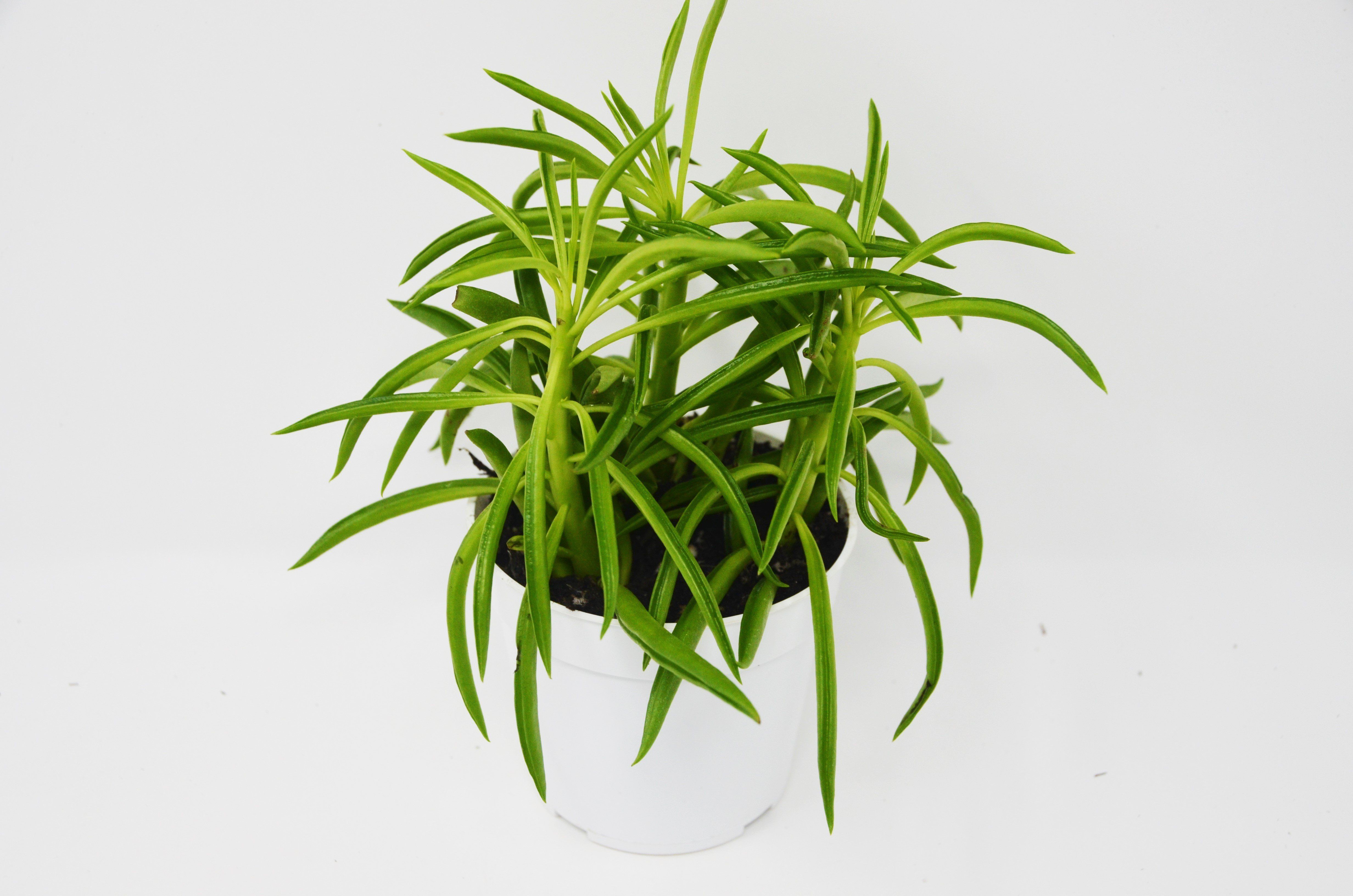
Peperomia Green Bean Peperomia Plant Peperomia Plants

Chinese Long Bean Plant Care Growing And Picking Yard Long Beans

Castor Bean Leaves Flower Plants Tropical Africa Perfect Strangers

Tepary Bean Review Plants Plant Leaves Bean Plant

Coffee Bean Plant Plants Plant Leaves Bean Plant

Pin On Sedum

Lucky Bean Plant Castanospermum Australe Plants Low Maintenance

How To Grow Snap Beans Bonnieplants Snap Beans Growing Green

Lima Bean Plant Growing Vegetables Bean Plant Plants

Peperomia Happy Bean 15 Cm Kwiaty Doniczkowe Kwiaty Roliny
Post a Comment for "Happy Bean Plant Care: Tips and Tricks for a Healthy Harvest"