Alocasia 'Sarian': Everything You Need to KnowConclusion
If you're looking for a stunning and unique addition to your indoor plant collection, the Alocasia 'Sarian' is definitely worth considering. This plant has become increasingly popular over the past few years, and for good reason. With its striking foliage and relatively easy care requirements, it's no wonder that so many people are falling in love with this plant. In this blog post, we'll explore everything you need to know about Alocasia 'Sarian', from its origins to its care requirements and beyond.
What is Alocasia 'Sarian'?
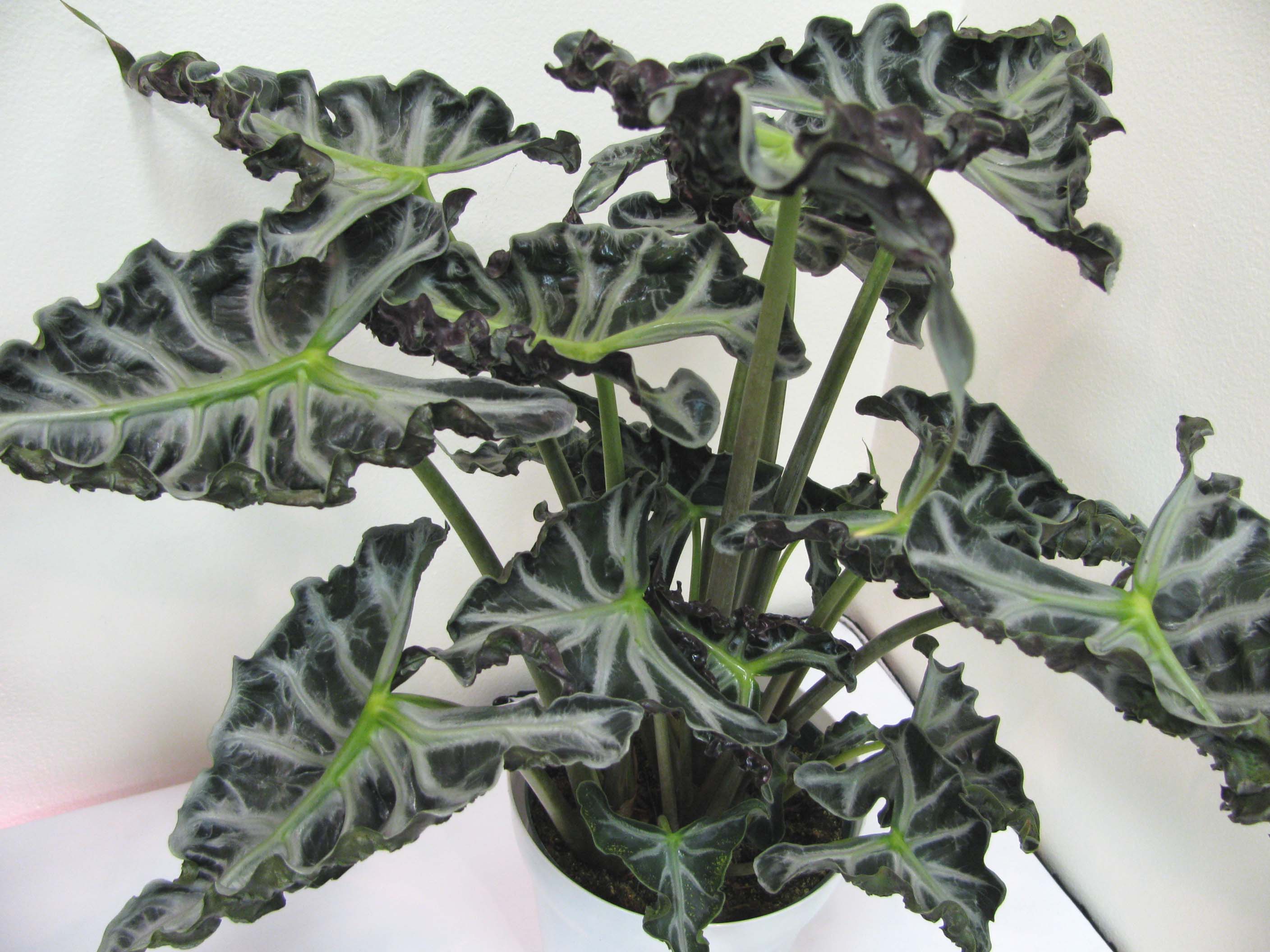
Alocasia 'Sarian' is a hybrid plant that was created by crossing two different species of Alocasia plants: Alocasia zebrina and Alocasia micholitziana. The result is a plant with stunning, dark green leaves that feature prominent white veins. The leaves are large and arrow-shaped, making them a real statement piece in any room.
Origins of Alocasia 'Sarian'
As mentioned earlier, Alocasia 'Sarian' is a hybrid plant, which means it was artificially created by plant breeders. The exact origin of this plant is somewhat unclear, but it's believed to have been first created in Thailand or Malaysia. From there, it quickly became popular among plant enthusiasts around the world.
Alocasia 'Sarian' Care Requirements
While Alocasia 'Sarian' may look like a difficult plant to care for, it's actually relatively easy to keep happy and healthy. Here are some tips to help you care for your Alocasia 'Sarian':
Light
Alocasia 'Sarian' prefers bright, indirect light. Avoid placing it in direct sunlight, as this can burn the leaves.
Water
Keep the soil of your Alocasia 'Sarian' consistently moist, but not waterlogged. Water it whenever the top inch of soil feels dry to the touch.
Humidity
This plant prefers high humidity, so consider placing a humidifier nearby or misting the leaves regularly.
Temperature
Alocasia 'Sarian' likes warm temperatures, ideally around 65-75°F (18-24°C). Avoid placing it in areas with cold drafts.
Soil
Use a well-draining soil mix that retains some moisture while still allowing excess water to drain away.
Fertilizer
Fertilize your Alocasia 'Sarian' monthly during the growing season (spring and summer) using a balanced fertilizer.
Propagation
If you want to propagate your Alocasia 'Sarian', the easiest method is by division. Wait until the plant has grown large enough to have multiple stems, then carefully separate the stems and re-pot them in their own containers.
Common Pests and Diseases
Like most plants, Alocasia 'Sarian' is susceptible to a few pests and diseases. Here are some of the most common ones to watch out for:
- Mealybugs
- Spider mites
- Root rot
- Leaf spot
If you notice any signs of these issues, take action immediately to prevent them from spreading.
Toxicity
It's important to note that Alocasia 'Sarian' is toxic to both humans and pets if ingested. Keep it out of reach of children and pets, and wash your hands thoroughly after handling it.
Where to Buy Alocasia 'Sarian'
Alocasia 'Sarian' is becoming increasingly popular, so you may be able to find it at your local plant nursery. If not, there are plenty of online retailers that sell this plant. Just make sure to read reviews and choose a reputable seller.
Alocasia 'Sarian' vs Other Alocasia Plants
If you're considering adding an Alocasia plant to your collection but aren't sure which one to choose, here are some differences between Alocasia 'Sarian' and other popular Alocasia plants:
- Alocasia zebrina: This plant has more pronounced zebra-like stripes on its leaves, and the leaves are more elongated.
- Alocasia polly: Also known as African mask plant, this plant has smaller, more rounded leaves than Alocasia 'Sarian'.
- Alocasia frydek: This plant has velvety green leaves with striking white veins, similar to Alocasia 'Sarian'. However, the leaves are more heart-shaped.
Frequently Asked Questions
Q1. Is Alocasia 'Sarian' difficult to care for?
A: While it may look intimidating, Alocasia 'Sarian' is actually relatively easy to care for. It prefers bright, indirect light, consistent moisture, and high humidity.
Q2. Is Alocasia 'Sarian' toxic to pets?
A: Yes, Alocasia 'Sarian' is toxic to both humans and pets if ingested. Keep it out of reach of children and pets.
Q3. How often should I water my Alocasia 'Sarian'?
A: Water your Alocasia 'Sarian' whenever the top inch of soil feels dry to the touch. Make sure not to overwater, as this can lead to root rot.
Q4. Can I grow Alocasia 'Sarian' outdoors?
A: Alocasia 'Sarian' is a tropical plant and prefers warm temperatures, so it's best suited to indoor growing.
Q5. How big does Alocasia 'Sarian' grow?
A: Alocasia 'Sarian' can grow up to 3 feet tall and 2 feet wide, depending on growing conditions.
Q6. Does Alocasia 'Sarian' need fertilizer?
A: Yes, fertilize your Alocasia 'Sarian' monthly during the growing season (spring and summer) using a balanced fertilizer.
Q7. How do I propagate my Alocasia 'Sarian'?
A: The easiest method of propagation is by division. Wait until the plant has grown large enough to have multiple stems, then carefully separate the stems and re-pot them in their own containers.
Q8. What kind of soil does Alocasia 'Sarian' prefer?
A: Use a well-draining soil mix that retains some moisture while still allowing excess water to drain away.
Q9. What are some common pests and diseases that affect Alocasia 'Sarian'?
A: Mealybugs, spider mites, root rot, and leaf spot are all common issues to watch out for.
Q10. Can I grow Alocasia 'Sarian' in low light conditions?
A: While Alocasia 'Sarian' prefers bright, indirect light, it can tolerate lower light conditions. Just make sure not to place it in full shade.
In conclusion, Alocasia 'Sarian' is a stunning and unique plant that's relatively easy to care for. With its dark green leaves and prominent white veins, it's sure to make a statement in any room. Just remember to keep it away from children and pets, as it's toxic if ingested. If you're looking for a new addition to your indoor plant collection, why not give Alocasia 'Sarian' a try?
14 Alocasia 'sarian Images

Alocasia Frydek First Plant Plants Plant Leaves Plant Mom

Alocasia Venusta Leaves Foliage Plants Cool Plants Alocasia Plant

Alocasia Plant Care Alocasia Plant Plants Plant Care

ALOCASIA Sarian Growing Sunflowers Plant Leaves Indoor Plants

Alocasia Sarian Em 2022

Ogreen Alocasia Sarian Plant Badkamer Planten Planten Kamerplanten
Alocasia Loco Tanaman Hias Daun Bunga Eksotis Tanaman

17 Best Images About Colocasia And Alocasia On Pinterest Live Plants

The Alocasia Plant Care Guide Video In 2020 Alocasia Plant Plant

17 Best Images About Colocasia And Alocasia On Pinterest Live Plants

Alocasia Plant Jungle Instagram Photo Alocasia Plant

Alocasia Alocasia Plant Check Alocasia Plant Plants Elephant Ears

House Plant Care Alocasias YouTube House Plant Care Plant Care

Ogreen Alocasia Sarian Plant Planten Groene Planten Oude Bomen
Post a Comment for "Alocasia 'Sarian': Everything You Need to KnowConclusion"