The Alocasia Dragon Tooth: A Unique and Beautiful Plant
As a plant enthusiast, I am constantly on the lookout for unique and beautiful plants to add to my collection. One such plant that has recently caught my attention is the Alocasia Dragon Tooth.
This stunning plant is known for its striking foliage, which features large, arrow-shaped leaves with distinctive, tooth-like edges. But what makes the Alocasia Dragon Tooth truly special is its ability to thrive in a variety of conditions, making it a versatile and low-maintenance addition to any indoor or outdoor space.
In this blog post, we will take an in-depth look at the Alocasia Dragon Tooth, exploring its origins, care requirements, and unique characteristics. So if you are looking to add a touch of exotic beauty to your home or garden, keep reading to learn more!
The Origins of the Alocasia Dragon Tooth
The Alocasia Dragon Tooth is a member of the Araceae family, which includes other popular houseplants such as the Peace Lily and Philodendron. Native to Southeast Asia, the Alocasia Dragon Tooth is believed to have originated in tropical rainforests, where it thrived in warm and humid conditions.
Today, the Alocasia Dragon Tooth can be found in homes and gardens around the world, thanks to its unique beauty and ease of care. Whether you live in a hot and humid climate or a cool and dry one, this plant can adapt to your environment and thrive with minimal effort.
Care Requirements for the Alocasia Dragon Tooth
Although the Alocasia Dragon Tooth is a relatively low-maintenance plant, there are a few key things to keep in mind when caring for it. Here are some tips to help you ensure that your plant stays healthy and happy:
Light: The Alocasia Dragon Tooth prefers bright, indirect light, but can tolerate some direct sunlight. Avoid placing it in a location with too much shade, as this can cause the leaves to turn yellow and drop.
Water: Like most tropical plants, the Alocasia Dragon Tooth requires regular watering to stay healthy. Keep the soil moist, but not soggy, and be sure to provide good drainage to prevent root rot. You may also want to mist the leaves occasionally to increase humidity.
Soil: The Alocasia Dragon Tooth prefers well-draining soil that is rich in organic matter. A mix of peat moss, perlite, and sand works well for this plant.
Temperature: The ideal temperature range for the Alocasia Dragon Tooth is between 60 and 80 degrees Fahrenheit. Avoid exposing it to extreme temperatures or drafts, which can damage the leaves and slow growth.
Fertilizer: Although the Alocasia Dragon Tooth doesn't require frequent fertilization, you may want to feed it every few months during the growing season (spring and summer). Use a balanced fertilizer that is diluted to half strength.
Unique Characteristics of the Alocasia Dragon Tooth
The Alocasia Dragon Tooth is a truly unique plant, with several distinctive features that set it apart from other houseplants. Here are just a few of its most notable characteristics:
Large, arrow-shaped leaves: The leaves of the Alocasia Dragon Tooth can grow up to two feet long and feature a distinctive arrow shape. The edges of the leaves are serrated and tooth-like, giving the plant its name.
Striking coloration: The leaves of the Alocasia Dragon Tooth are typically a deep green color, but may also feature patterns of white, silver, or bronze. The undersides of the leaves are often a contrasting color, such as purple or maroon.
Fast-growing: With the right care, the Alocasia Dragon Tooth can grow quickly and reach impressive heights. This makes it a great choice for filling empty corners or creating a dramatic focal point in a room.
Air-purifying: Like many other houseplants, the Alocasia Dragon Tooth is effective at removing toxins from the air and improving indoor air quality. This makes it a great choice for anyone looking to create a healthier home environment.
How to Propagate the Alocasia Dragon Tooth
If you are looking to expand your collection of Alocasia Dragon Tooth plants, propagation is a simple and cost-effective way to do so. Here's how to propagate this plant:
Choose a healthy parent plant with several strong stems.
Using a sharp, sterile knife, cut one of the stems near the base of the plant. Be sure to include several leaves on the stem.
Dip the cut end of the stem in rooting hormone, then plant it in a small pot filled with well-draining soil.
Water the cutting regularly, keeping the soil moist but not waterlogged.
After a few weeks, the cutting should begin to develop roots and new growth. Once the roots are established, you can transplant the new plant into a larger pot or directly into the ground.
Common Problems and Solutions for the Alocasia Dragon Tooth
Like any plant, the Alocasia Dragon Tooth may experience a few common problems from time to time. Here are some issues to watch out for, along with solutions to help keep your plant healthy:
Yellowing leaves: If the leaves of your Alocasia Dragon Tooth are turning yellow and dropping, this may be a sign of too much water or not enough light. Adjust your watering schedule and move the plant to a brighter location to see if this improves the condition of the leaves.
Brown leaf tips: Brown tips on the leaves of your Alocasia Dragon Tooth may be caused by dry air or over-fertilization. Try misting the leaves regularly or reducing the frequency of fertilization to see if this helps.
Pests: Common pests that may affect the Alocasia Dragon Tooth include spider mites, mealybugs, and scale insects. To treat an infestation, gently wash the leaves with a solution of water and mild soap, or use a commercial insecticide.
The Alocasia Dragon Tooth is a stunning and unique plant that is sure to add a touch of exotic beauty to any home or garden. With its striking foliage and low-maintenance care requirements, this plant is a great choice for both beginner and experienced plant enthusiasts alike.
By following the tips and advice outlined in this blog post, you can ensure that your Alocasia Dragon Tooth stays healthy and vibrant for years to come. So why wait? growing your own Alocasia Dragon Tooth today and enjoy the beauty and benefits of this amazing plant!
Frequently Asked Questions
Q1. What is the best soil mix for Alocasia Dragon Tooth?
A: The Alocasia Dragon Tooth prefers well-draining soil that is rich in organic matter. A mix of peat moss, perlite, and sand works well for this plant.
Q2. How often should I water my Alocasia Dragon Tooth?
A: Like most tropical plants, the Alocasia Dragon Tooth requires regular watering to stay healthy. Keep the soil moist, but not soggy, and be sure to provide good drainage to prevent root rot.
Q3. Can I grow Alocasia Dragon Tooth indoors?
A: Yes, the Alocasia Dragon Tooth can be grown indoors as long as it receives bright, indirect light and is kept in a warm and humid environment.
Q4. What is the ideal temperature range for Alocasia Dragon Tooth?
A: The ideal temperature range for the Alocasia Dragon Tooth is between 60 and 80 degrees Fahrenheit.
Q5. How can I propagate my Alocasia Dragon Tooth?
A: Propagation is a simple and cost-effective way to expand your collection of Alocasia Dragon Tooth plants. Simply cut one of the stems near the base of the plant, dip it in rooting hormone, and plant it in a small pot filled with well-draining soil.
Q6. What are some common problems that may affect the Alocasia Dragon Tooth?
A: Common problems that may affect the Alocasia Dragon Tooth include yellowing leaves, brown leaf tips, and pest infestations. These issues can often be resolved by adjusting watering, light, or fertilization, or by treating pests with insecticides.
Q7. Can I grow Alocasia Dragon Tooth outdoors?
A: Yes, the Alocasia Dragon Tooth can be grown outdoors in warm, humid climates. However, it should be protected from direct sunlight and extreme temperatures.
Q8. Does Alocasia Dragon Tooth require fertilizer?
A: Although the Alocasia Dragon Tooth doesn't require frequent fertilization, you may want to feed it every few months during the growing season (spring and summer). Use a balanced fertilizer that is diluted to half strength.
Q9. Is Alocasia Dragon Tooth poisonous to pets?
A: Yes, the Alocasia Dragon Tooth is toxic to both cats and dogs if ingested. Keep this plant out of reach of pets to prevent accidental poisoning.
Q10. How big does Alocasia Dragon Tooth get?
A: With the right care, the Alocasia Dragon Tooth can grow up to several feet tall, making it a great choice for creating a dramatic focal point in any room or garden.
14 Alocasia dragon tooth Images

Alocasia Baginda Dragon Scale EdenCPs Dragon Scale Plants Green

Alocasia Baginda Silver Dragon Plants Alocasia Plant Foliage Plants
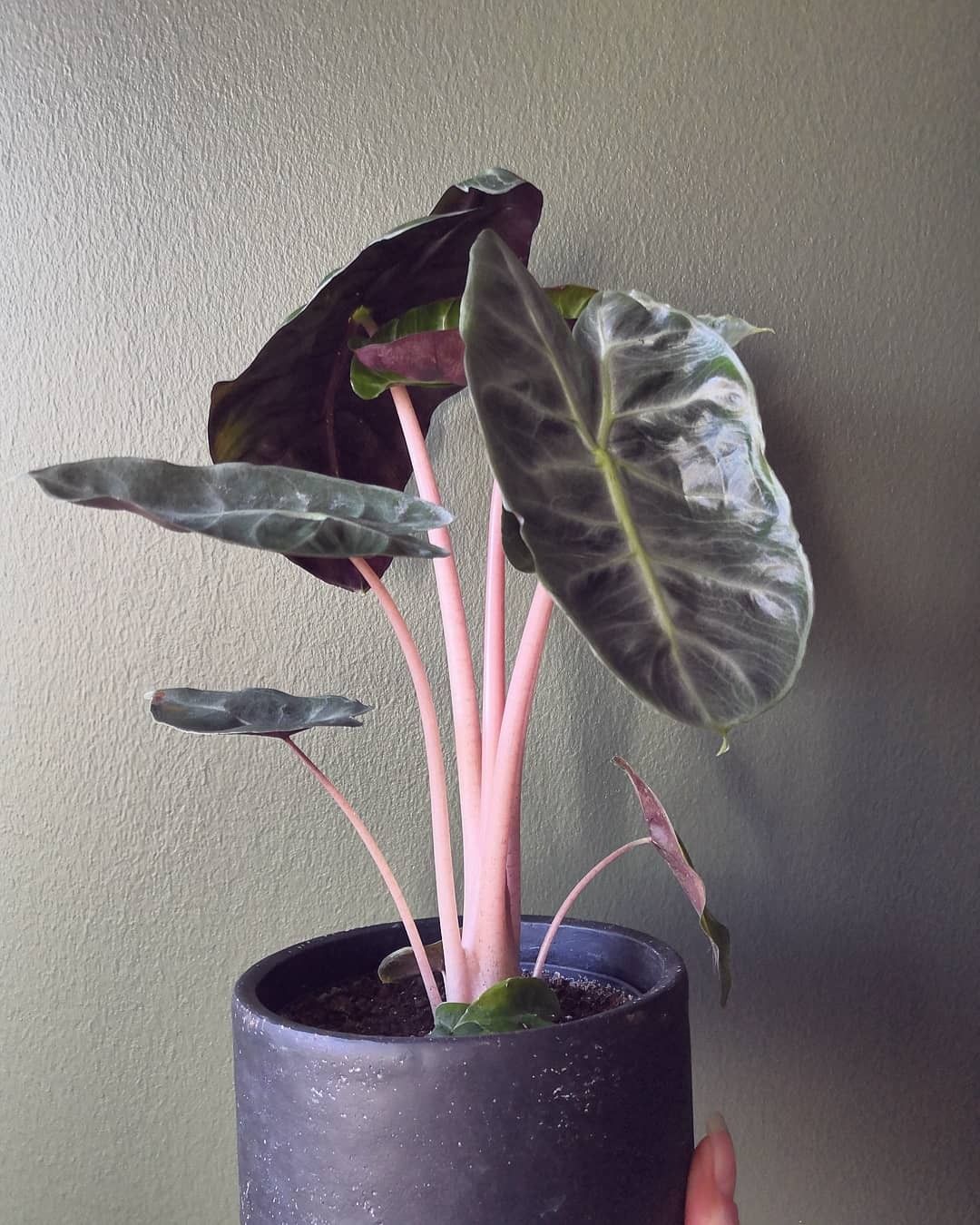
Alocasia Pink Dragon Tropical House Plants

Alocasia Pink Dragon P 13 Cm Kwekersvergelijk Kamerplanten Thuis

Alocasia Dragon Scale Variegated Plants Plant Leaves Garden Plants

Alocasia Dragon Moon Google Zoeken

Alocasia Silver Dragon Rare Plants Plants Silver Dragon

Alocasia Dragon Scale Alocasia Alocasiadragonscale Plant

Alocasia Dragon Scale Jamiesjungle Plants Pretty Plants

Pin On Plants

Alocasia Dragon Scale

Alocasia Dragon Scale Care Complete Guide Smart Garden Guide In

Alocasia Dragon Scale Alocasia Plant Houseplant Aesthetic Alocasia

Pin On Jewelry Other
Post a Comment for "The Alocasia Dragon Tooth: A Unique and Beautiful Plant"